The Ice Cream Lab
Five calculators for perfect ice cream: base balance, vegan base, sorbet, fruit mix-ins and cream blending. With a freezing-time forecast for your freezer and container — Remy does the math, you do the licking.
Read the manualYour freezer setup
Freezing time (core)
≈ 19 h
Serving temperature
≈ -4.8 °C
Ninja Creami
plan on 24 h
Balance
502 g
POD (sweetness)
4
Serving temperature
≈ -4.8 °C
Remy's tip
Too icy for the freezer: 22 g dextrose lifts PAC without much extra sweetness.
Lean: more cream brings the creaminess.
Low solids → coarse ice crystals. Add skim milk powder, inulin or maltodextrin.
The math behind it
An ice-cream base is arithmetic with four quantities: fat 10–20%, sugar 14–22%, milk solids non-fat (MSNF) 7–12% and total solids 36–42%. Every ingredient contributes its share — the calculator sums: fat% = Σ(grams × fat fraction) ÷ total grams.
Sugar has two superpowers: POD (sweetening power, sucrose = 100) and PAC (anti-freezing capacity, sucrose = 100). Dextrose sweetens less (POD 74) but protects almost double (PAC 190) — so you tune texture and sweetness separately. PAC = Σ(sugar × PAC factor) + lactose from MSNF.
The freezing point comes from the Leighton table (1927): PAC is first normalized to the water phase (PAC ÷ water% × 100), then the table yields the freezing-point depression (FPD). Serving happens when ~72% of the water is frozen: T_serving ≈ −FPD ÷ 0.28. If your freezer runs colder, the ice cream is firmer there — temper it or raise the PAC.
Freezing time is estimated with Plank's equation for cylinders: t = ρ·L/(T_f−T_a) · (P·D/h + R·D²/k) — density ρ, latent heat L (≈334 kJ/kg × water fraction), container diameter D, air heat-transfer h, ice conductivity k. Plus a 35% margin, because cores dawdle.
Glossary
PAC (anti-freeze)
Anti-freezing capacity: how strongly an ingredient lowers the freezing point, in sucrose equivalents (sugar = 100, dextrose = 190, glycerine = 371). High PAC = soft ice cream at low temperature.
POD (sweetening power)
Relative sweetness in sucrose equivalents (sugar = 100, dextrose = 74, lactose = 16). With POD and PAC you tune sweetness and texture independently.
MSNF (milk solids)
Milk Solids Non-Fat: milk protein, lactose and minerals. Binds free water and smooths the ice cream — target 7–12%.
Total solids
Everything that is not water: fat, sugar, MSNF and other solids. Too few solids means coarse, watery crystals.
FPD (freezing point depression)
How many degrees below 0 °C the mix starts to freeze. We read it from the Leighton table (1927), normalized to the water phase.
Degrees Brix
Sugar content as percent of mass — 30 Brix = 30 g sugar per 100 g. Sorbet targets 27–32 Brix.
Stabilizer
Guar or xanthan gum (0.15–0.35%): binds water and slows crystal growth in storage. Mandatory in vegan bases, which lack milk protein.
Maceration
Resting fruit with ⅓ of its weight in sugar: osmosis pulls sugar into the fruit and lowers its freezing point — otherwise pieces turn rock hard.
Re-spin
A second pass in the Ninja Creami, usually with 1 tbsp of liquid: turns a crumbly first spin into creamy ice cream. Not a mistake — physics.
Overrun
Whipped-in air as percent of volume. Soft serve ~50%, premium ice cream 20–30%, Creami pints barely any — which is why they are so dense.
The vegan fleet
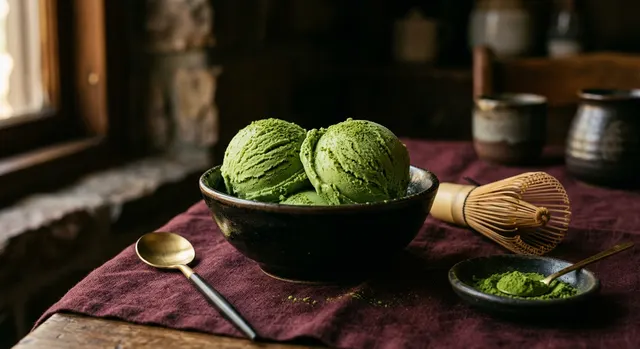
Kyoto Jade — Vegan Matcha Creami
9 ingredients
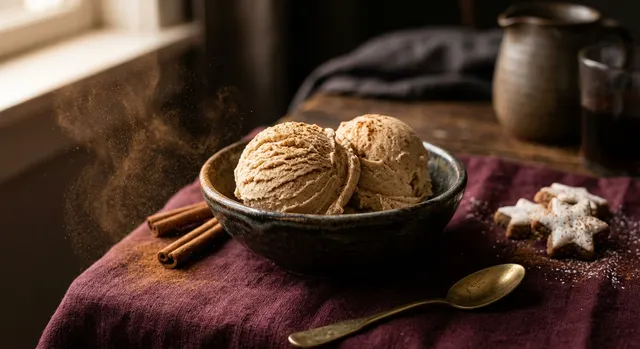
Zimtstern Wolke — Vegan Cinnamon Creami
9 ingredients
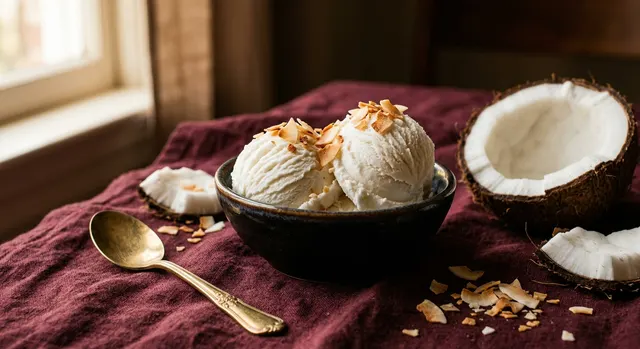
Blanc de Coco — Double Coconut Creami
9 ingredients
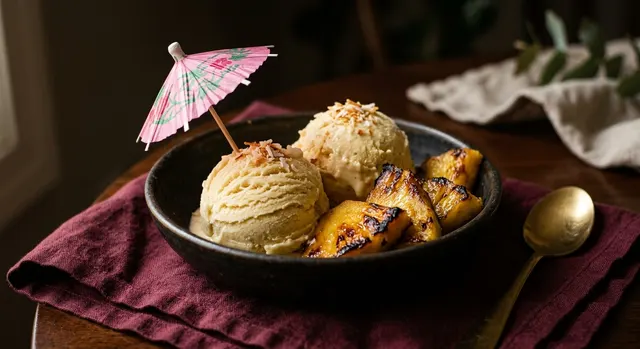
Colada Sunrise — Roasted Pineapple Creami
8 ingredients
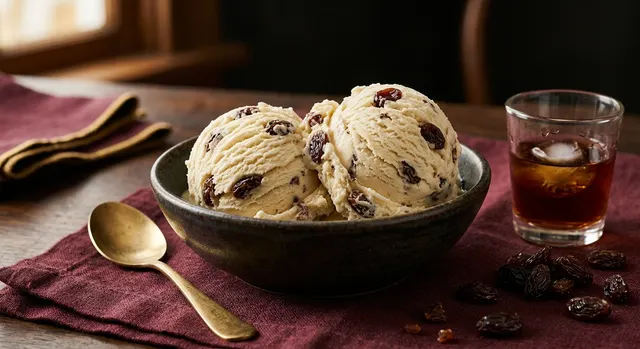
Kapitän Remys Rum-Rosine — Vegan Rum Raisin
9 ingredients
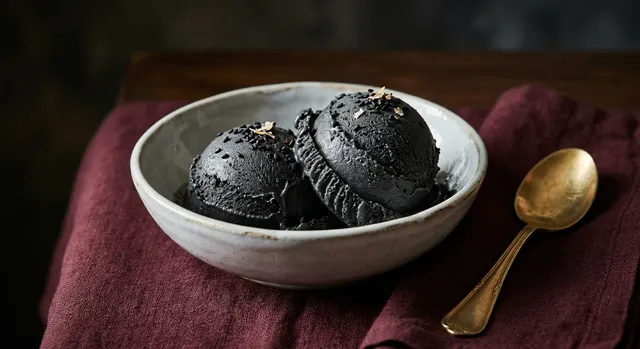
Panda Noir — Black Sesame Creami
9 ingredients
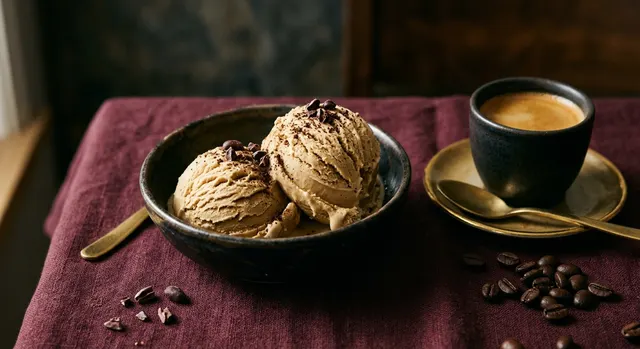
Espresso Lawine — Vegan Coffee Creami
9 ingredients
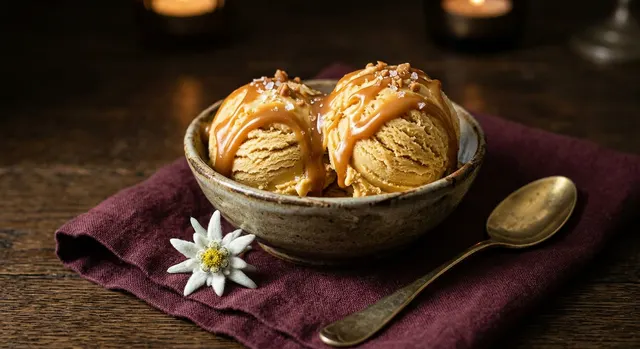
Säntis Salted Caramel
10 ingredients
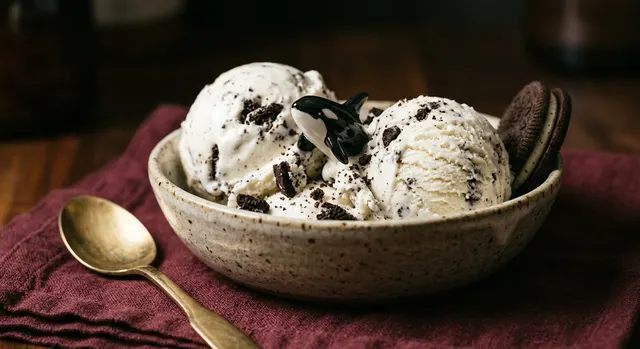
Orca Cookies & Cream
10 ingredients
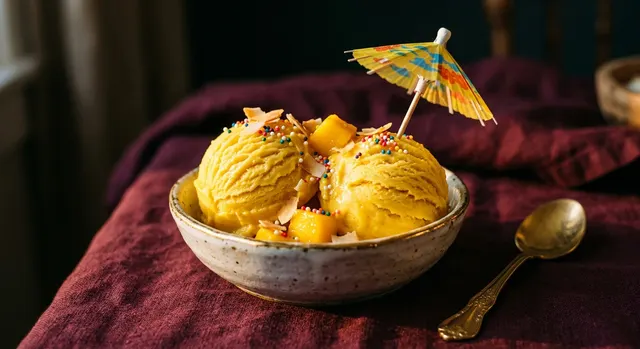
Bodhi's Golden Mango Splash
10 ingredients
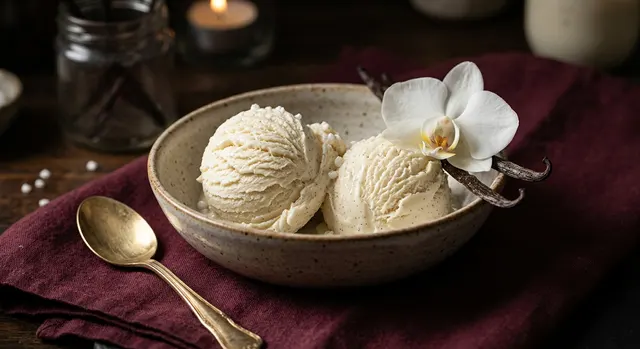
Juliette's Vanilla Velvet
9 ingredients
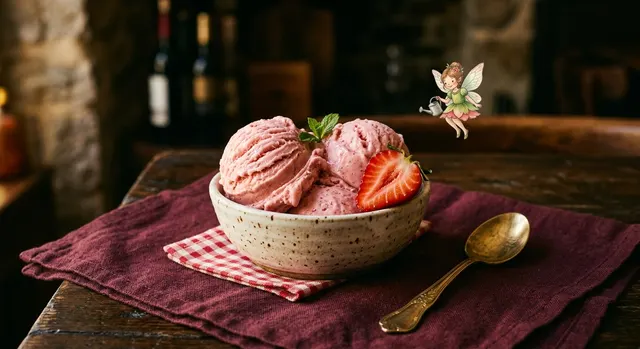
Fraise Chérie — French Strawberry Creami
12 ingredients
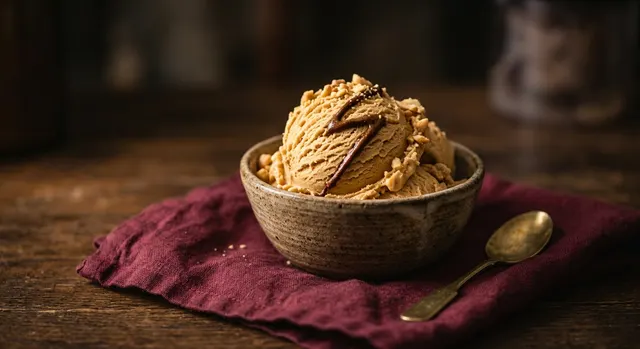
Tyrone's Pindakaas Thunder
10 ingredients
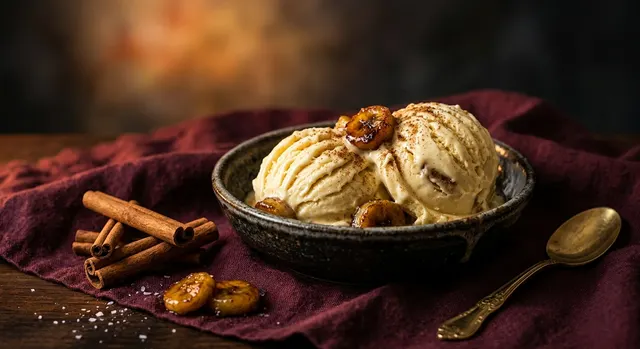
Rigi Sunrise — Banana & Cinnamon
12 ingredients
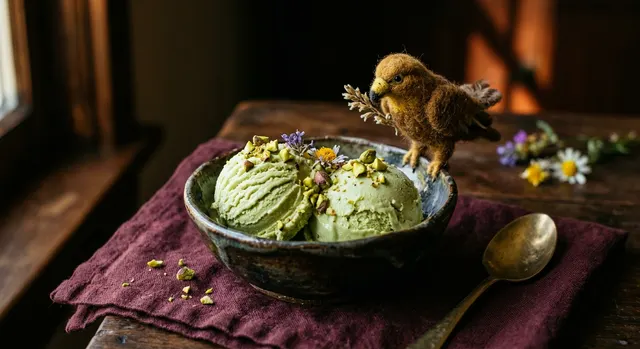
Alpine Eagle Pistachio
11 ingredients
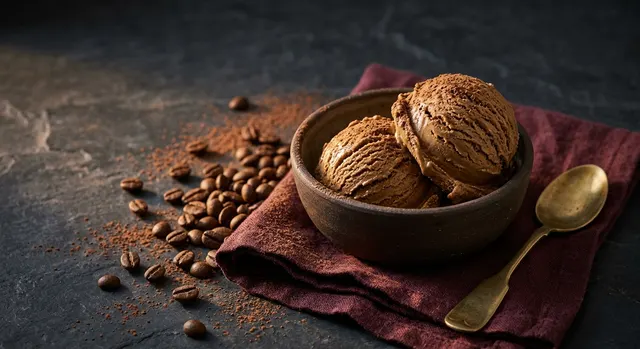
Eiger Espresso
9 ingredients
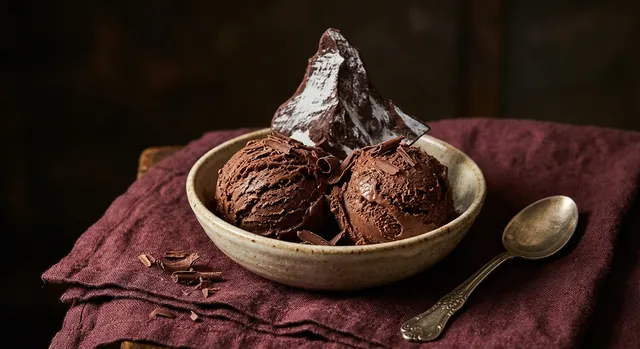
Matterhorn Midnight Chocolate
9 ingredients
Remy's original classics
From the two original «Ninja Ice Cream Recipes» pages, now as individual recipes: from chili-chocolate sorbet to Chocolate Heaven.
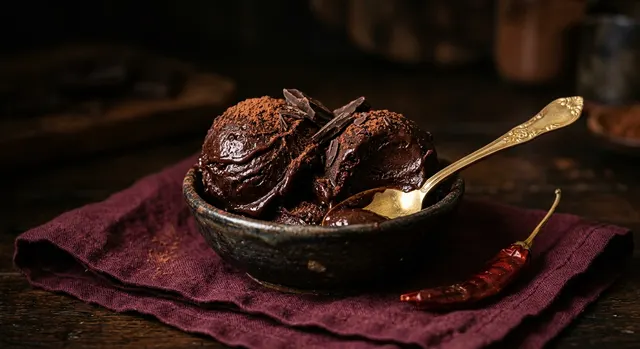
Chili Chocolate Sorbet — The Original
7 ingredients
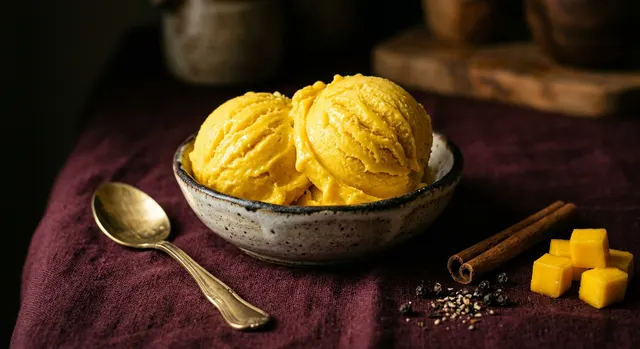
Spiced Mango-Coconut — The Original
7 ingredients
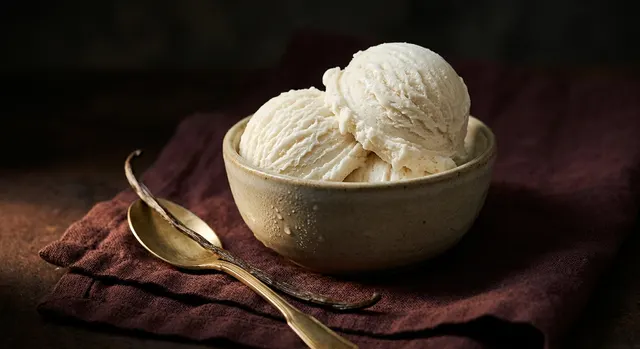
Whey Vanilla Protein Ice — The Original
5 ingredients
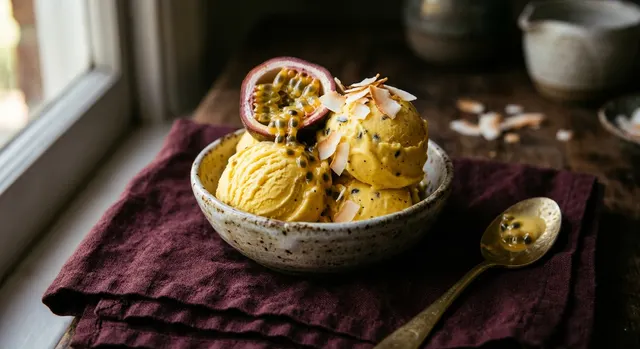
Passion Fruit-Coconut — The Original
7 ingredients
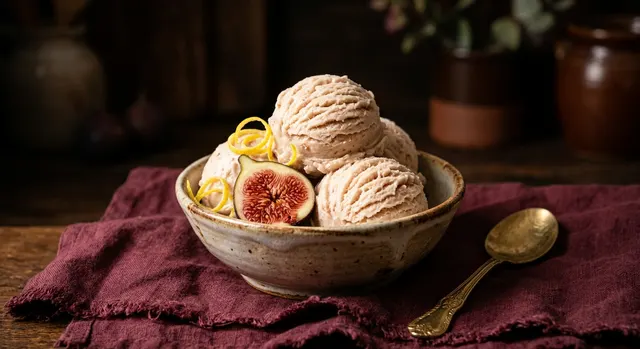
Fig & Mascarpone Gelato — The Original
8 ingredients
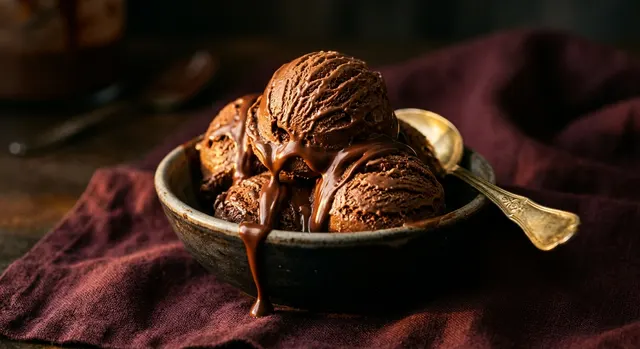
Chocolate Heaven — The Original
9 ingredients
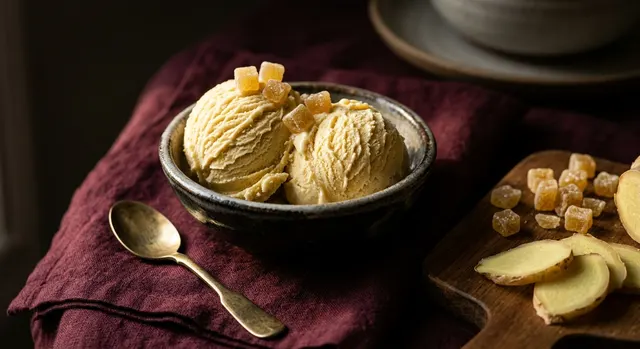
Ginger Ice-Cream Variations
19 ingredients
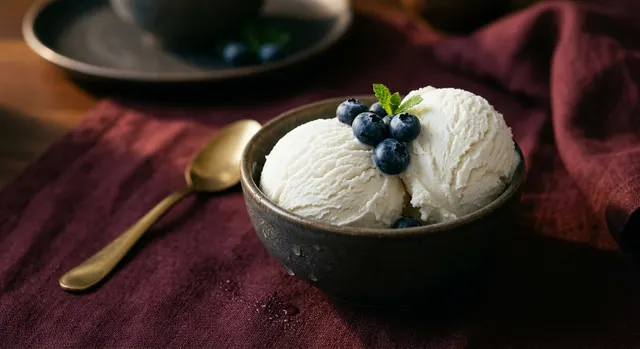
High Protein Ice-cream Low-Fat and Low Sugar
8 ingredients
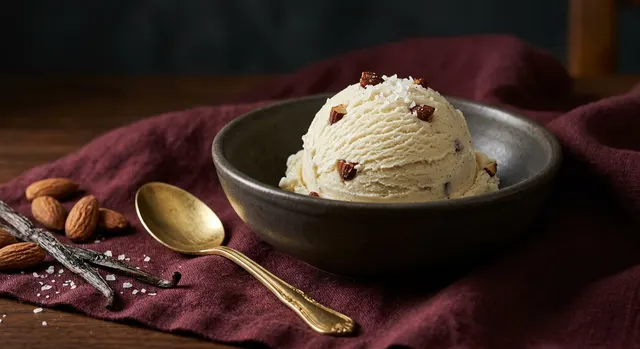
Vanilla Salty Almond Ice-cream
9 ingredients
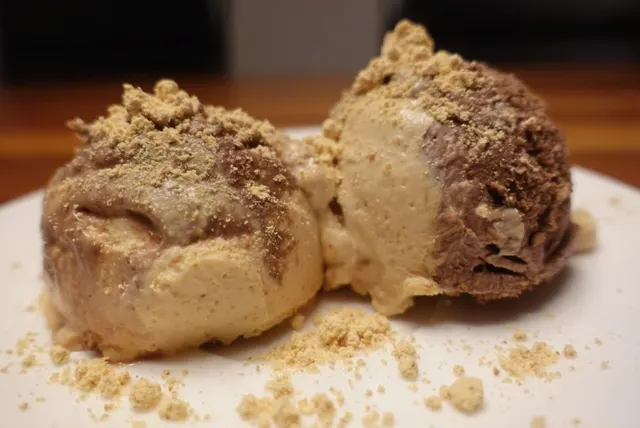
Vanilla Rhum Passion Fruit Ice-Cream
10 ingredients
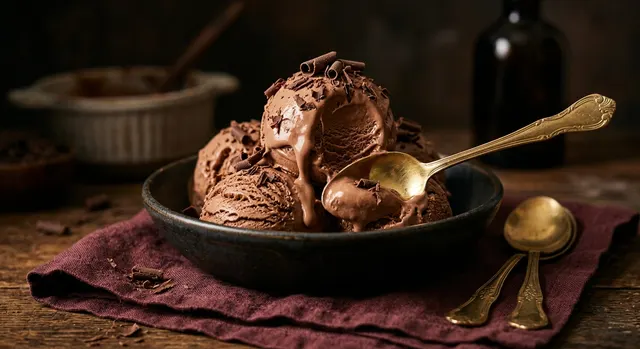
Super Ultra Delicious Creamy Chocolate Ice-cream
11 ingredients